24/7 Live Law Session With Experts ✦ Exclusive Offer: 50% OFF – Ends in 2 Days!

How to Become a Criminal Lawyer in Pakistan
Your Complete Guide to a Criminal Law Career in Pakistan
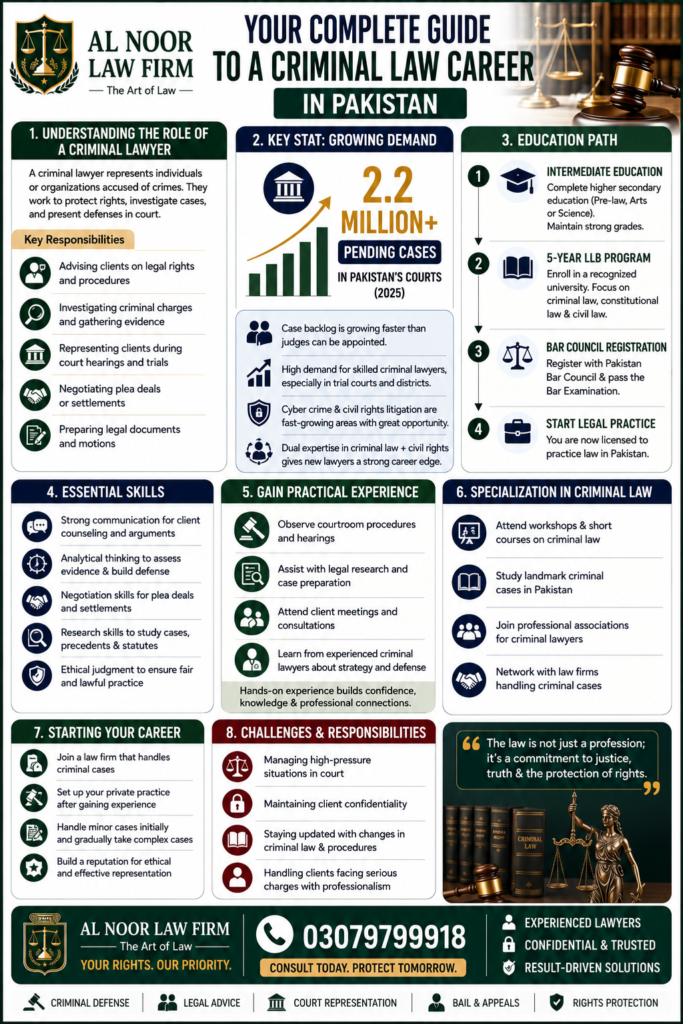
Choosing a career as a criminal lawyer in Pakistan requires careful planning, education, and practical experience. If you want to defend rights, represent clients in court, and handle complex criminal cases, understanding the steps to enter this profession is essential. This article explains how to become a criminal lawyer, the skills required, and actionable steps to succeed.
Criminal Law Career in Pakistan
Build a Career in Justice
A criminal lawyer defends clients, protects legal rights, and represents cases in court. With the right education, practical experience, and strong legal skills, you can build a successful career while making a meaningful impact in Pakistan’s justice system.
Understanding the Role of a Criminal Lawyer
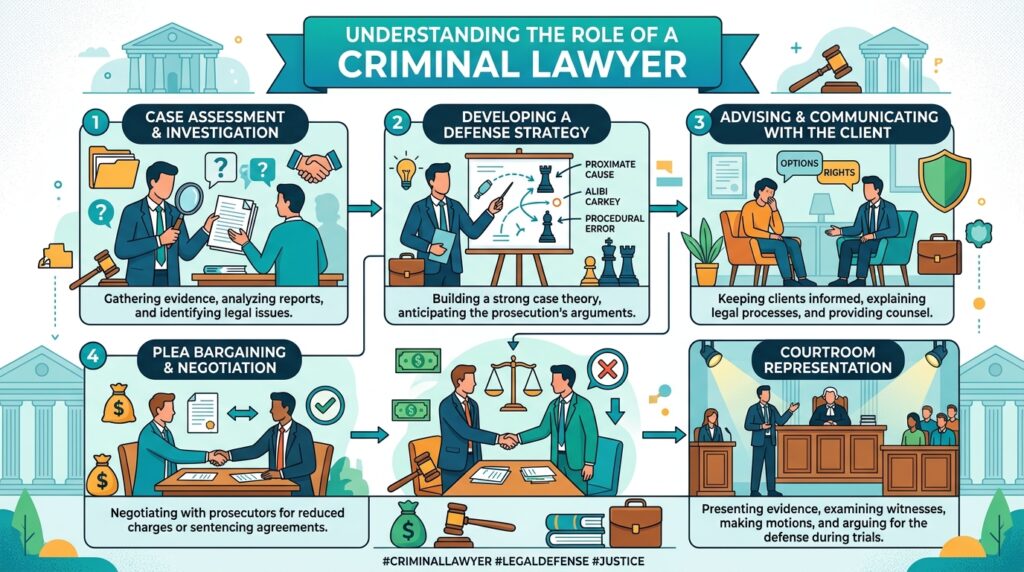
A criminal lawyer represents individuals or organizations accused of crimes. They work to protect rights, investigate cases, and present defenses in court. In Pakistan, criminal lawyers handle cases ranging from minor offenses to serious crimes, including theft, assault, drug-related charges, fraud, and homicide.
The Growing Demand for Criminal Lawyers Amid Pakistan’s Case Backlog
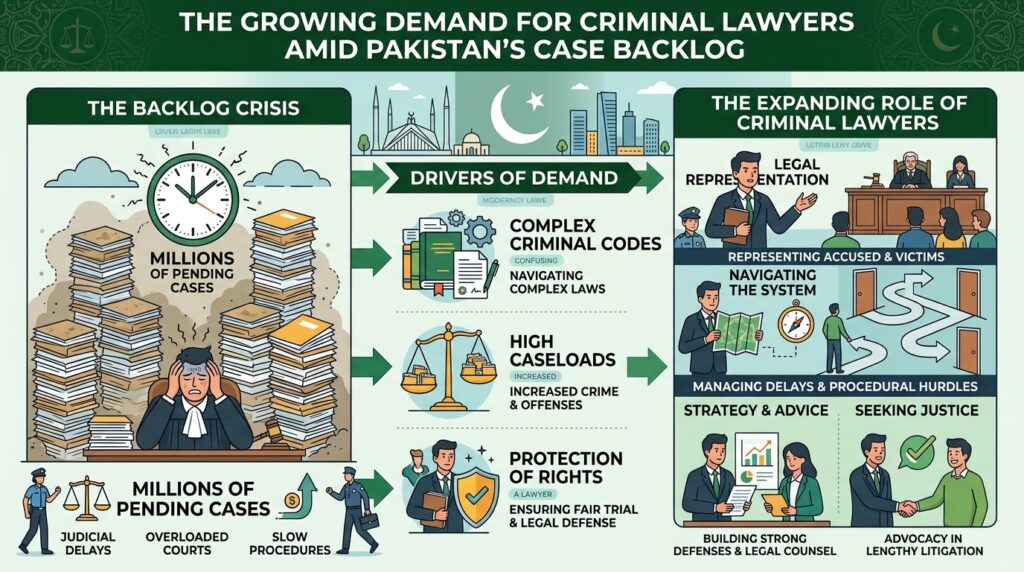
Anyone weighing a career in criminal law should also look at the numbers coming out of Pakistan’s court system right now, because they say a lot about where the work is headed. In August 2025, a Supreme Court judge disclosed that more than 2.2 million cases are pending in courts across Pakistan, a backlog that keeps growing faster than judges can be appointed to clear it. For a new criminal lawyer, this is not just a grim statistic about a slow judiciary; it is a signal that trial courts, sessions courts, and appellate benches will need capable advocates for years to come, particularly in districts where case pendency is worst. It also means that graduates entering the profession today have room to build a practice around a specific niche rather than competing for the same general caseload as everyone else. Cyber crime has become one of the fastest-growing areas within criminal practice, and a young lawyer who develops real expertise in this field, ideally alongside senior counsel already established through a firm’s cyber crime legal services practice, tends to attract clients faster than someone offering only general defense work. The same is true for lawyers who pair their criminal law foundation with civil rights matters, since cases involving unlawful detention, police excess, or constitutional violations often move through both a criminal court and a parallel civil rights litigation track. Building this kind of dual competence during internships and early practice years, rather than after several years of general litigation, gives a new advocate a real edge once they start taking cases independently. Given how overloaded Pakistan’s courts already are, lawyers who can move confidently between related legal areas will always find steady work, regardless of how slowly the backlog itself gets resolved.
Key responsibilities include:
Advising clients on legal rights and procedures
Investigating criminal charges and gathering evidence
Representing clients during court hearings and trials
Negotiating plea deals or settlements
Preparing legal documents and motions
Understanding this role helps you identify the skills and education needed to become a successful criminal lawyer.
Educational Requirements in Pakistan
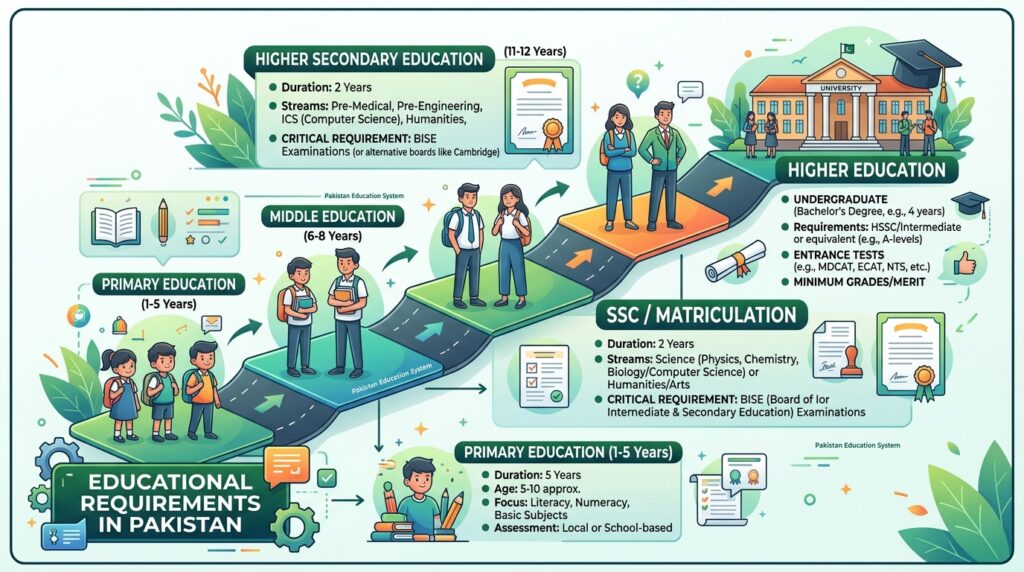
The first step to becoming a criminal lawyer in Pakistan is completing your education. The path includes:
Intermediate Education
Complete higher secondary education with pre-law, arts, or science subjects.
Maintain strong grades, as universities consider them for admissions.

Bachelor of Laws (LLB)
Enroll in a recognized university offering an LLB program.
The LLB program in Pakistan typically lasts five years after intermediate education.
Focus on subjects like criminal law, constitutional law, and civil law.
Bar Council Registration
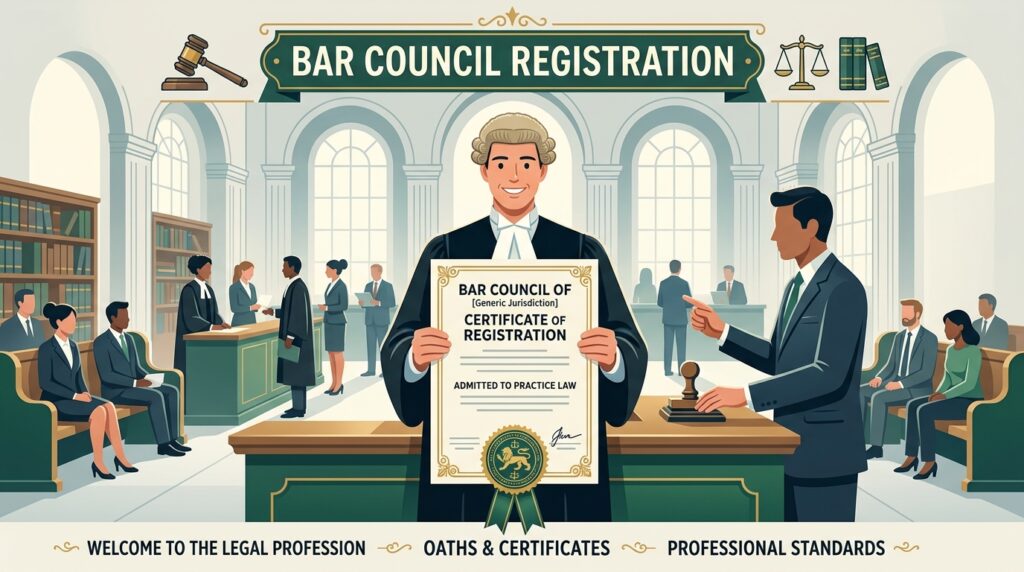
After completing your LLB, you must register with the Pakistan Bar Council.
Registration requires passing the Bar examination to practice law professionally.
Developing Key Skills
A criminal lawyer needs a combination of legal knowledge and practical skills. Essential skills include:
Strong communication for client counseling and courtroom arguments
Analytical thinking to assess evidence and identify defense strategies
Negotiation skills for plea deals and settlements
Research skills to study cases, precedents, and statutes
Ethical judgment to ensure fair and lawful practice
Developing these skills during education and internships will improve your readiness for real-world cases.

Gaining Practical Experience
Practical experience is critical. Law schools in Pakistan often provide internship programs in law firms, courts, or with senior criminal lawyers. During internships, you will:
Observe courtroom procedures and hearings
Assist with legal research and case preparation
Attend client meetings and consultations
Learn from experienced criminal lawyers about strategy and defense
Hands-on experience strengthens your understanding and builds professional connections.
Specialization in Criminal Law
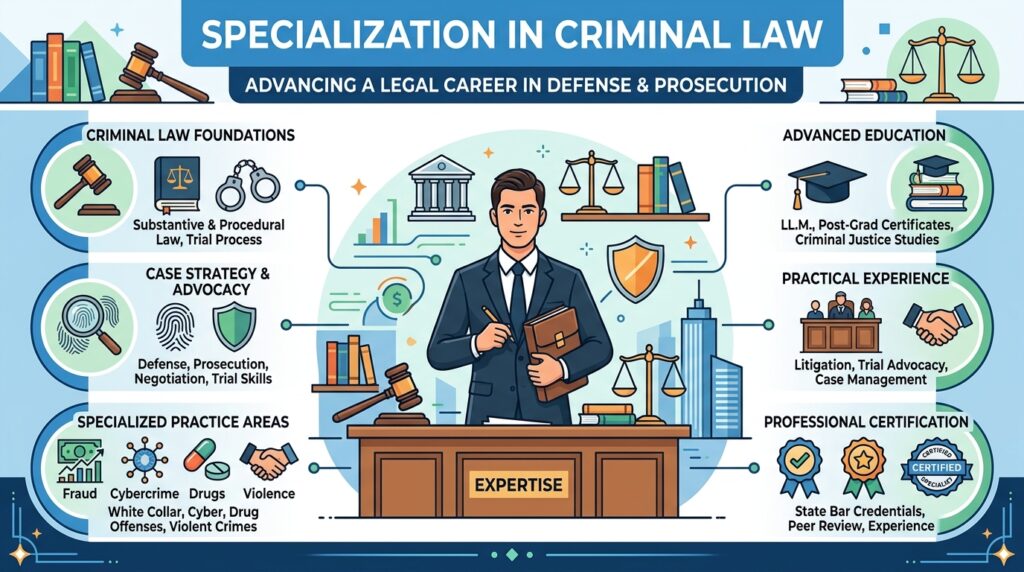
While general legal practice is an option, focusing on criminal law enhances your expertise. Specialization involves:
Attending workshops or short courses on criminal law
Studying landmark criminal cases in Pakistan
Joining professional associations for criminal lawyers
Networking with law firms handling criminal cases
Specialization improves credibility and career opportunities in criminal law.
Starting Your Career as a Criminal Lawyer
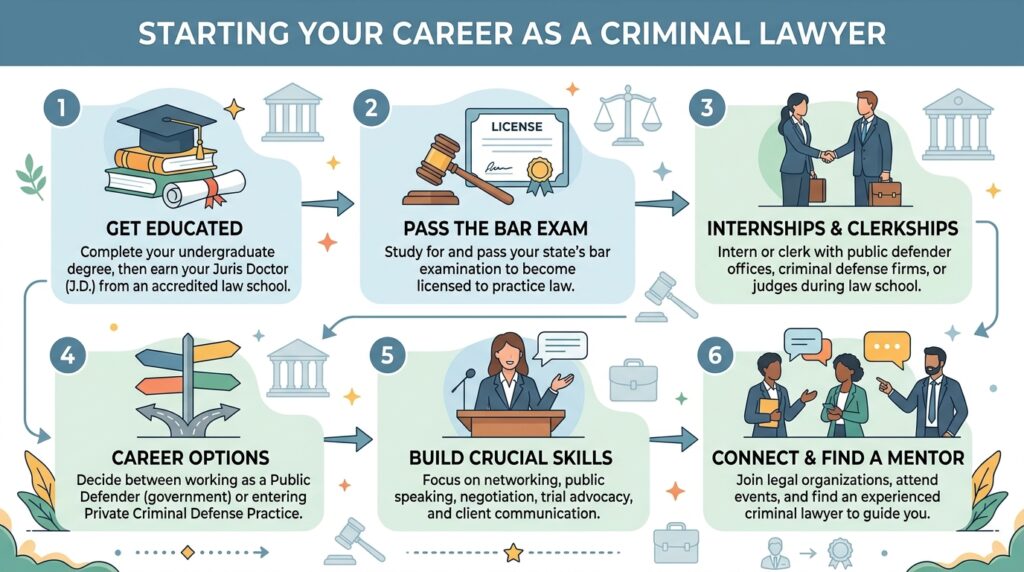
After completing education and gaining experience, you can start practicing. Steps include:
Joining a law firm that handles criminal cases
Setting up your private practice after gaining experience
Handling minor cases initially and gradually taking complex cases
Building a reputation for ethical and effective legal representation
Early career decisions impact long-term success and professional growth.
Challenges and Responsibilities
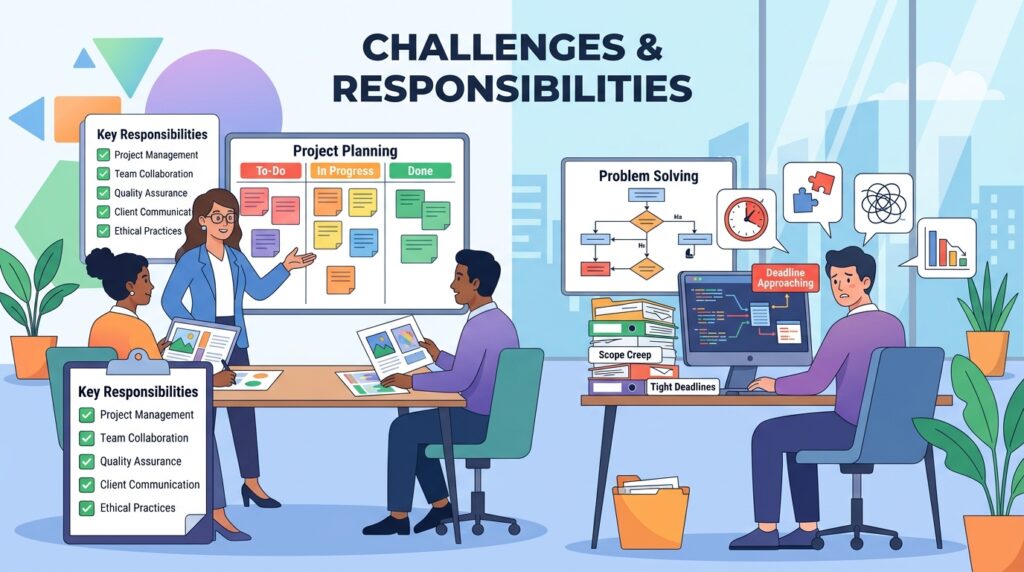
Being a criminal lawyer involves responsibility and challenges:
Managing high-pressure situations in court
Maintaining client confidentiality
Staying updated with changes in criminal law and legal procedures
Handling clients facing serious criminal charges with professionalism
Preparing mentally and professionally for these challenges is essential.