24/7 Live Law Session With Experts ✦ Exclusive Offer: 50% OFF – Ends in 2 Days!

Exploring the Role of Cyber Crime Lawyers
Types of Cases Handled by Cybercrime Lawyers
The age of cybercrime has swept over the globe with the entry of computers and the internet. With the rising incidence of hacking, data theft, identity fraud, and cyber harassment, the working realm of lawyers protecting individuals and organizations in this setting has become very restricted. It is here that cybercrime lawyers come in. This article discusses the work of a cyber lawyer, the skills needed, and the impact of performance in their career on businesses and individuals.
Protecting Rights in the Digital World
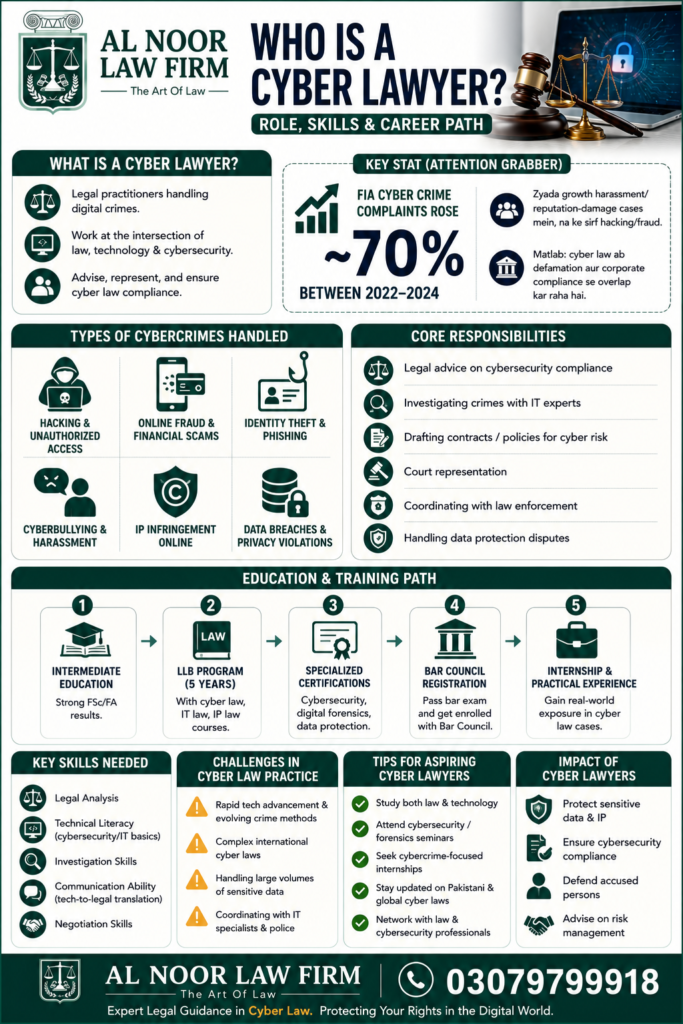
A cyber lawyer handles legal matters related to cybercrime, data privacy, online fraud, and digital compliance. With the rise in cyber threats, skilled cyber lawyers help individuals and businesses protect their digital rights, ensure legal compliance, and resolve technology-related disputes.
Defining a Cyber Lawyer
Cyber lawyers or cybercrime lawyers are legal practitioners who conduct business with crimes concerning digital technology. They walk on an intersection between law, technology, and cybersecurity. These lawyers give advice to clients, provide representation during a legal process, and ensure compliance with regard to the cyber laws.
Where Cyber Law Work Increasingly Overlaps With Corporate Compliance and Defamation
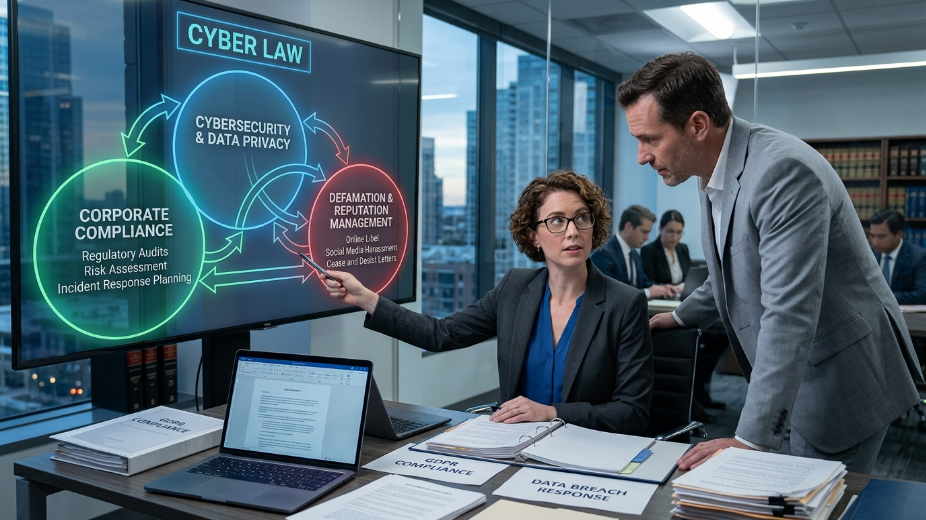
Two of the crime categories listed above, cyberbullying and data breaches, deserve a closer look because they rarely stay confined to the cyber lawyer’s own forum once a case actually gets moving. The Federal Investigation Agency’s cyber crime wing recorded a rise of roughly seventy percent in complaints between 2022 and 2024, and a meaningful share of that increase traces back to harassment and reputation-damaging posts rather than hacking or financial fraud, which means a growing number of cyber lawyers are now handling cases that sit right on the border between electronic crimes and ordinary defamation. When a client is accused of, or victimized by, a fake profile, a morphed image, or a smear campaign run through social media, the strongest cases usually pair the cyber complaint with a properly framed defamation lawsuit rather than relying on PECA charges alone, since the two remedies address different aspects of the harm and often produce a stronger overall outcome for the client. On the corporate side, the advisory work mentioned earlier around risk management and compliance rarely stops at drafting a cybersecurity policy. Once a company suffers a data breach or an employee misuses internal systems, the resulting liability questions, shareholder concerns, and contractual fallout usually pull in a lawyer who also understands corporate law compliance, since the company’s board and investors care as much about governance exposure as they do about the criminal complaint itself. Cyber lawyers who build working relationships with colleagues in these adjacent areas, rather than treating each case as a purely technical PECA matter, tend to serve clients more completely and end up handling a wider range of related disputes over time. That kind of collaboration is quickly becoming the norm rather than the exception in Pakistan’s growing digital economy.

Cyber crime lawyers tackle crimes including:
Hacking and unauthorized access to systems
Online fraud and financial scams
Identity theft and phishing attacks
Cyberbullying and harassment
Online infringement of intellectual property
Data breaches and privacy violations
It is their job to furnish preventive legal counseling as well as a backseat defense in court cases.

Core Responsibilities of Cyber Crime Lawyers
Cyber lawyers have different responsibilities that vary with their clients’ requests and the complexities of each unique case. Nevertheless, they perform fundamental duties such as:
Giving legal advice to individuals or corporations on the compliance with cybersecurity laws
Carrying out investigations of cyber crimes in conjunction with IT experts
Drafting contracts and policies to mitigate cyber risk
Represent clients before courts concerning digital crimes.
Coordinating with law enforcement for purposes of investigation
Legal disputes about data protection and privacy
In these trying days, cybercrime lawyers help clients appreciate their rights and obligations.
Education and Training for Cyber Lawyers
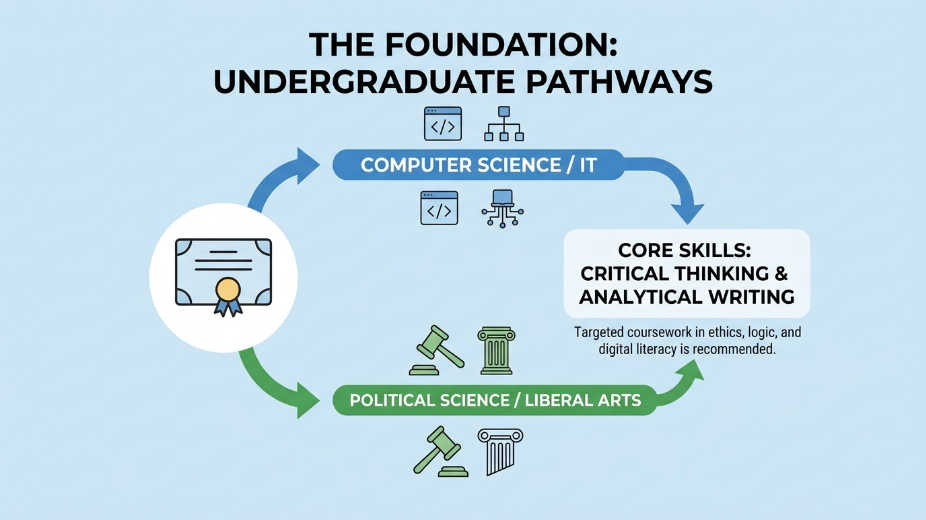
Cyber lawyers undergo a course of education that combines legal and technical. Courses are usually undertaken in Pakistan, subsuming the following:
Intermediate Education
Good performance in the higher secondary examination must have been achieved.
LLB Program
Admission into a recognized law university for a five-year LLB degree. This must include courses in cyber law, IT law, intellectual property law, and digital contracts.
Specialized Certifications
Obtaining certificates in cybersecurity, digital forensics, and data protection.
Bar Council Registration
Legal registration for a bar council must be followed by passing the bar examination.
Internship and Practice
Practicality in law firm experiences working in cyber crimes or corporate IT law.
The Skills and Competence of a Cyber-Lawyer
A Cyber-lawyer combines legal knowledge and technical knowledge. The key skills of the profession are:
Legal Analysis: Interpretation of laws, statutes, and case law, also including cyber regulations
Technical Literacy: Familiarity with the principles of cybersecurity and IT systems
Investigation Skills: Working with digital forensic specialists
Communication Ability: Translating complex technical matters into legal terms
Excellent Negotiators: Settlement, drafting of agreements, and plea-bargaining
With these abilities, one can work efficiently and with agility toward building and sustaining cybercrime cases.
Challenges in Cyber Law Practice
Lawyers face unique challenges in cyber law:
Rapid advancement of technology and methods of cybercrime
Complexities and multiplicity of international cybercrime laws
Large volume of sensitive data needing evaluation, protection and courtroom contest
Interaction with IT specialists, investigators, and police
Overcoming these hurdles requires continuous learning and adaptability.
Some Useful Tips for Aspiring Cyber Lawyers
Concentrate on both law and technology courses
Attend seminars for digital forensics, cybersecurity, and IT law.
Seek internships in law firms dealing with cybercrime.
Keep update on the cyber laws of Pakistan and those of the world.
Forge networking connections with different professionals in law and cybersecurity.
Such actions would prepare the future lawyer for effective representation and counsel.
The Impacts of Cyber Lawyers
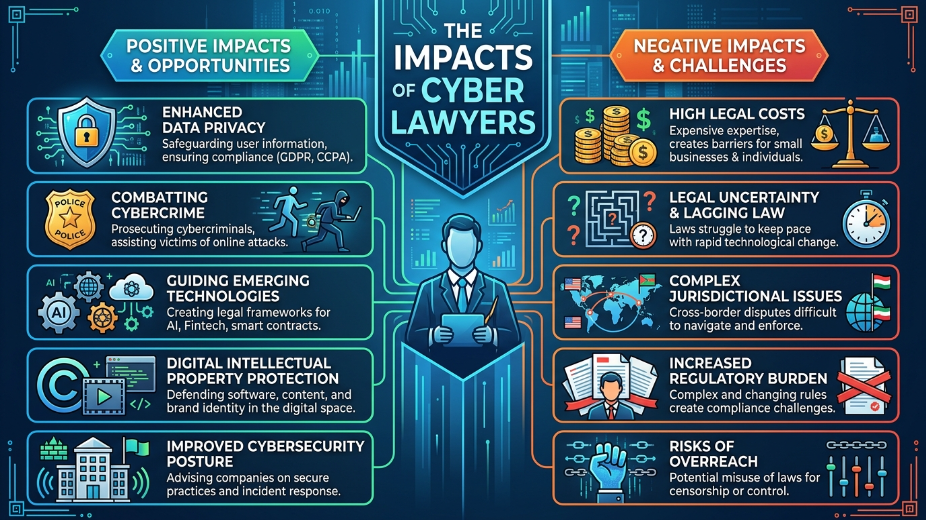
Cyber lawyers assist in preventing legal risks for businesses and individuals, as well as in recovering from cybercrime events. Their work entails:
Protection of sensitive data and intellectual property
Ensuring compliance with cybersecurity legislation
Defending accused persons from cyber offenses
Advising corporations on risk management and security policies
In a digital economy where cyber risks are incessant, this is important.